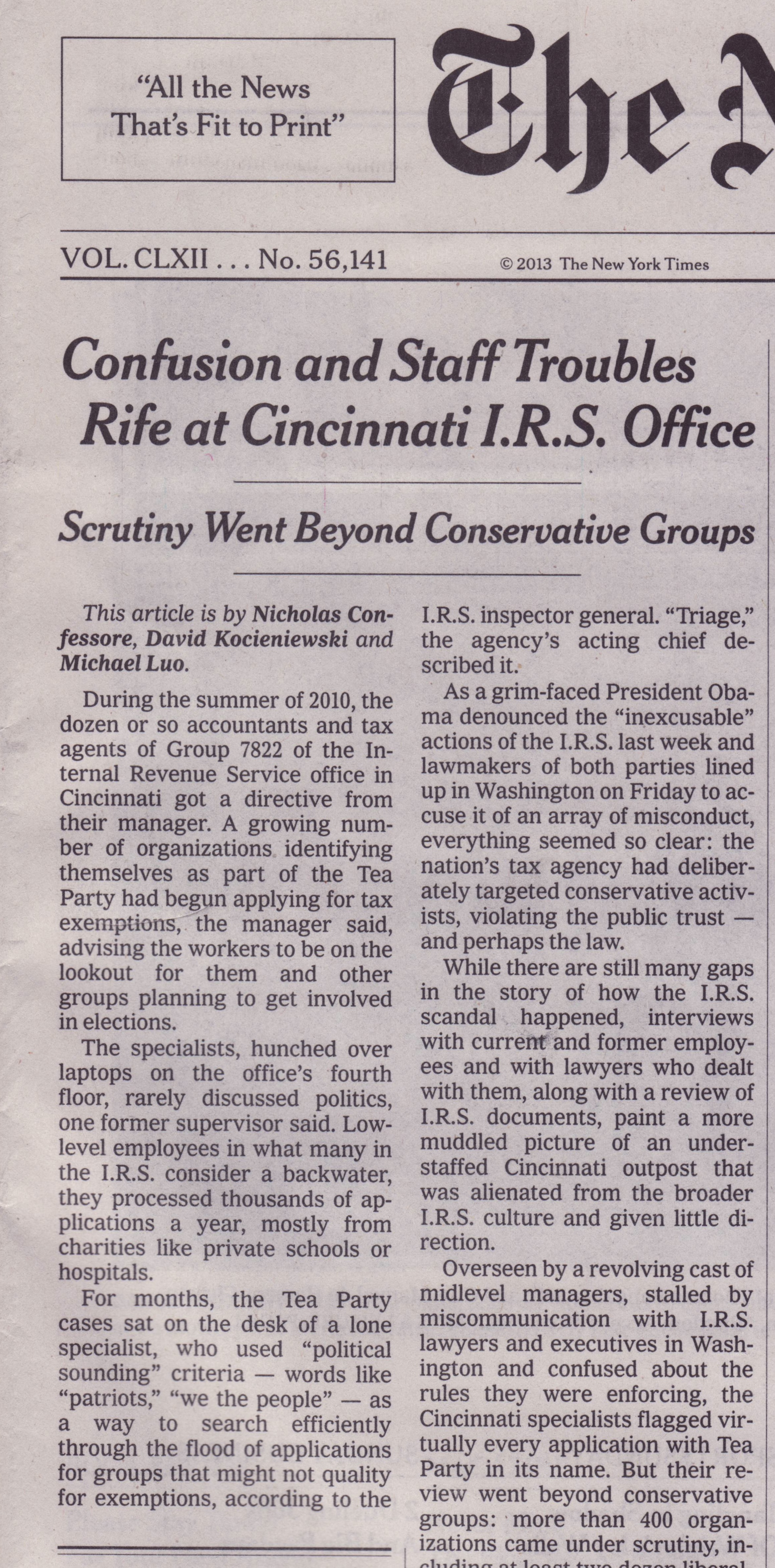
From the front page of The New York Times, May 19, 2013:
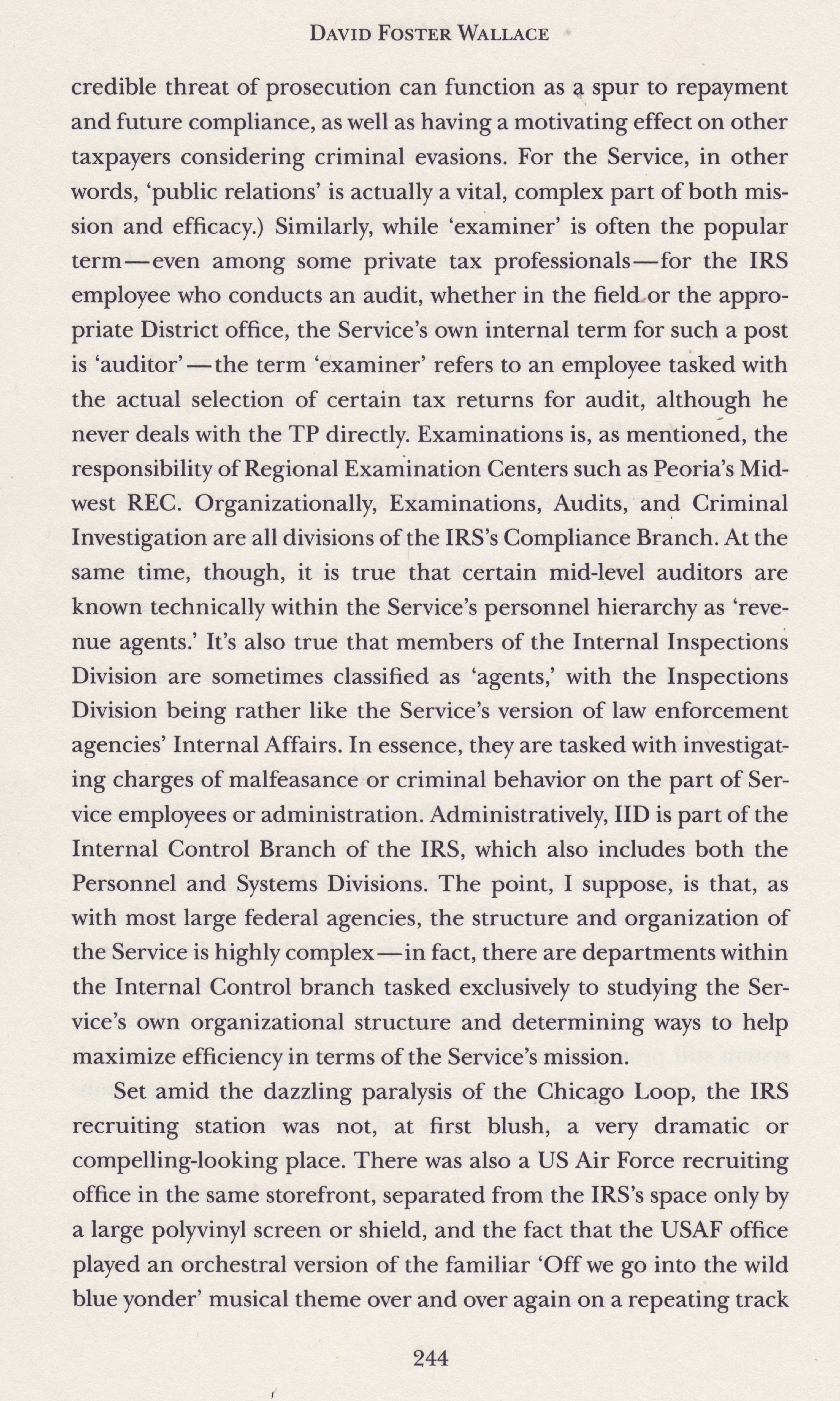
From David Foster Wallace’s The Pale King (2011):
From the front page of The New York Times, May 19, 2013:
From David Foster Wallace’s The Pale King (2011):
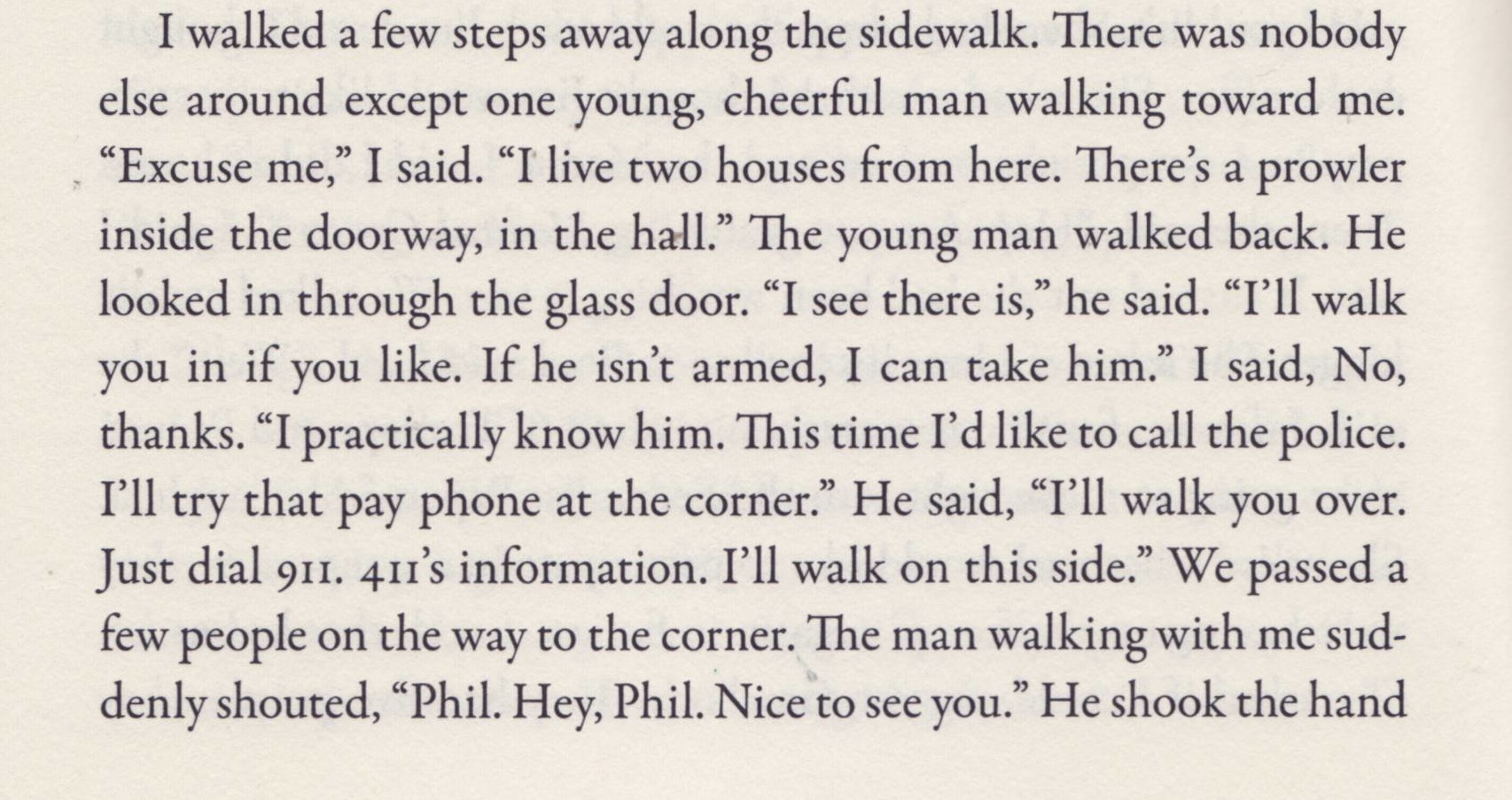
Reading the reissue of Renata Adler’s Speedboat (1976) this reference to the emergency number 911 caught my eye:
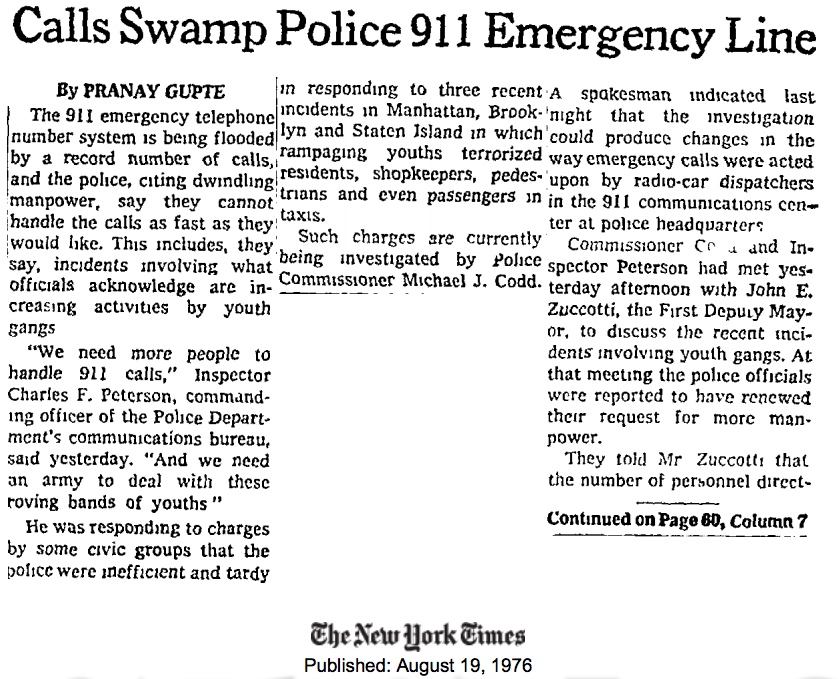
Although, by 1976, the 911 system had already been in place for years in NYC it didn’t become a fixed idea nationally until the late 70s/early 80s. Here’s a New York Times story on 911 from the year of Speedboat‘s publication:
Fraught with such conflicted associations and meanings, 9-1-1 = emergency in ways that its early users could never have imagined. With that in mind: what are the earliest references to the emergency number 911 in literature? Adler’s Speedboat can’t be the first, or can it?
New fiction + illustration at 3:AM Magazine.
It was a bit of a provocation, perhaps. The ugly mess surrounding the firing of the founding editor of The Oxford American in August 2012 served as backdrop, but I probably would have written the piece anyway. It seemed like a darkness had crept over its pages, and my instinct was to contribute more deeply and fully to that. This was my fifth “Panel Busting” column, a series of online columns that I had intended to use to explore some of the weirder, elusive, shape-shifting, and hard-to-categorize instances where text and image combine to create something mysterious and compelling and maybe dangerous (I had written for the print version of OA in previous years, for a few of the annual music issues, and a short story.)
My first forays into the online pieces boded pretty well, as I explored the work of graphic novelist Gabriella Giandelli, the uncontained, anarchic rise of what would come to be known as comics, a type of illustration that I called unclaimed images that functioned in a ghostly, hard-to-categorize way, and the wonderful Practical Zoological Illustrations, by W.S. Bullough, a professor at McGill University in the 1940s. With each installment I felt I was going deeper into some mystery and yet, at the same time, headed in a direction that readers of The Oxford American might not want to go. It might even be that, one night after several bourbons I said aloud to my desk, what the hell am I doing writing this stuff for The Oxford American (period, not question mark).
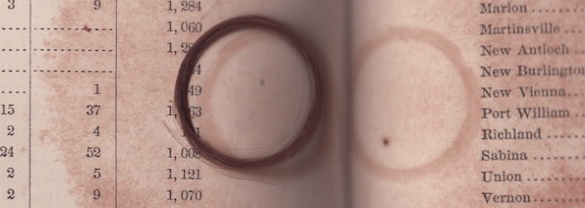
I don’t know how that I knew that the column on the 1860 U.S. Census (published in 1864) would be my last. For no reason at all, and with no provocation, I thought to myself–with no particular audience in mind since I didn’t even know who at the OA was reading or approving or having thoughts about or not having thoughts about the pieces as I sent them in–I thought to myself, okay, you want something about “the south” I’ll give you something about “the south.” It turned out to be the happiest sort of writing I’d done in a long time, fueled by a weird, unsourced anger and the feeling of being lost in some nineteenth-century text that functioned like a tar-pit trap of thought.
The wonder of “the south.” Yes. Slaves in Little Rock. Catalogued in the context of a massive, beautiful book, full of charts and graphs and illustrations and pressed flowers and locks of human hair. I sensed that this was not the south whose permission I had been granted to write about and, given that assumption, rightly or wrongly, I pushed on, practically burning out my poor scanner, coughing though the human dust of nearly 140 years, my head spinning with Miss Coldfield from Faulkner’s Absalom, Absalom! telling Quentin “you are going away to attend college at Harvard they tell me . . . so I don’t imagine you will ever come back here and settle down as a country lawyer in a little town like Jefferson since Northern people have already seen to it that there is little left in the South for a young man.”
As it turns out, they published the column. I received my check for $50.00. Cashed it at the Michigan Educational Credit Union on Jackson Road. Some of the human hair from the massive census volume fell away and the friends that were with me–I haven’t mentioned beautiful M. yet, or L.–thought it was a sign of something terrible, and swept the hair away. That night the phone rang and there was silence on the other end, but a recognizable silence. I must have listened to it for several minutes, trembling, until L. put her hand on my shoulder, and broke the spell.
“The North African Unit,” a story, has been published at 3:AM.

Happy to be in the 10th Anniversary issue of The Believer, with my ten-years-on-review of Kiyoshi Kurosawa’s scratch-mix, genre-hopping, barn-burning film Doppelganger.

“The Messiah Detective Agency,” a short story, is part of the first annual collection, Apparitional Experience, from Fiddleblack Press. Happy to play a small part in the overspreading darkness of the twelve tales collected there.
Fiddleblack Annual #1: Apparitional Experience from Fiddleblack on Vimeo.
“The Aarspeth Imbroglio” has been published at 3:AM Magazine.
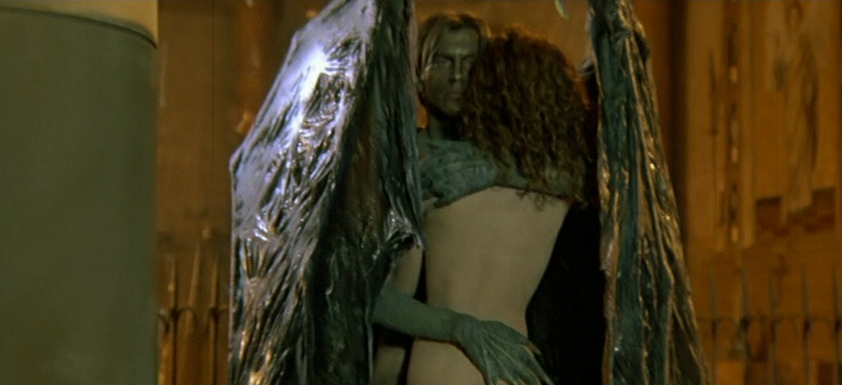
Coming later this year. My book 10/40/70: Constraint as Liberation in the Era of Digital Film Theory, from Zero Books.

 The Blank Engine