What happens at 10? At 40?
What doesn’t happen?
What secret memories lurk in the flash of a film frame?
If you misremember a film, it’s still remembering, isn’t it?
Soon . . .

What happens at 10? At 40?
What doesn’t happen?
What secret memories lurk in the flash of a film frame?
If you misremember a film, it’s still remembering, isn’t it?
Soon . . .
Here, at Filmmaker Magazine.

“Anne Sexton and the Problem of Bald James,” at Berfrois. A story based on fact.
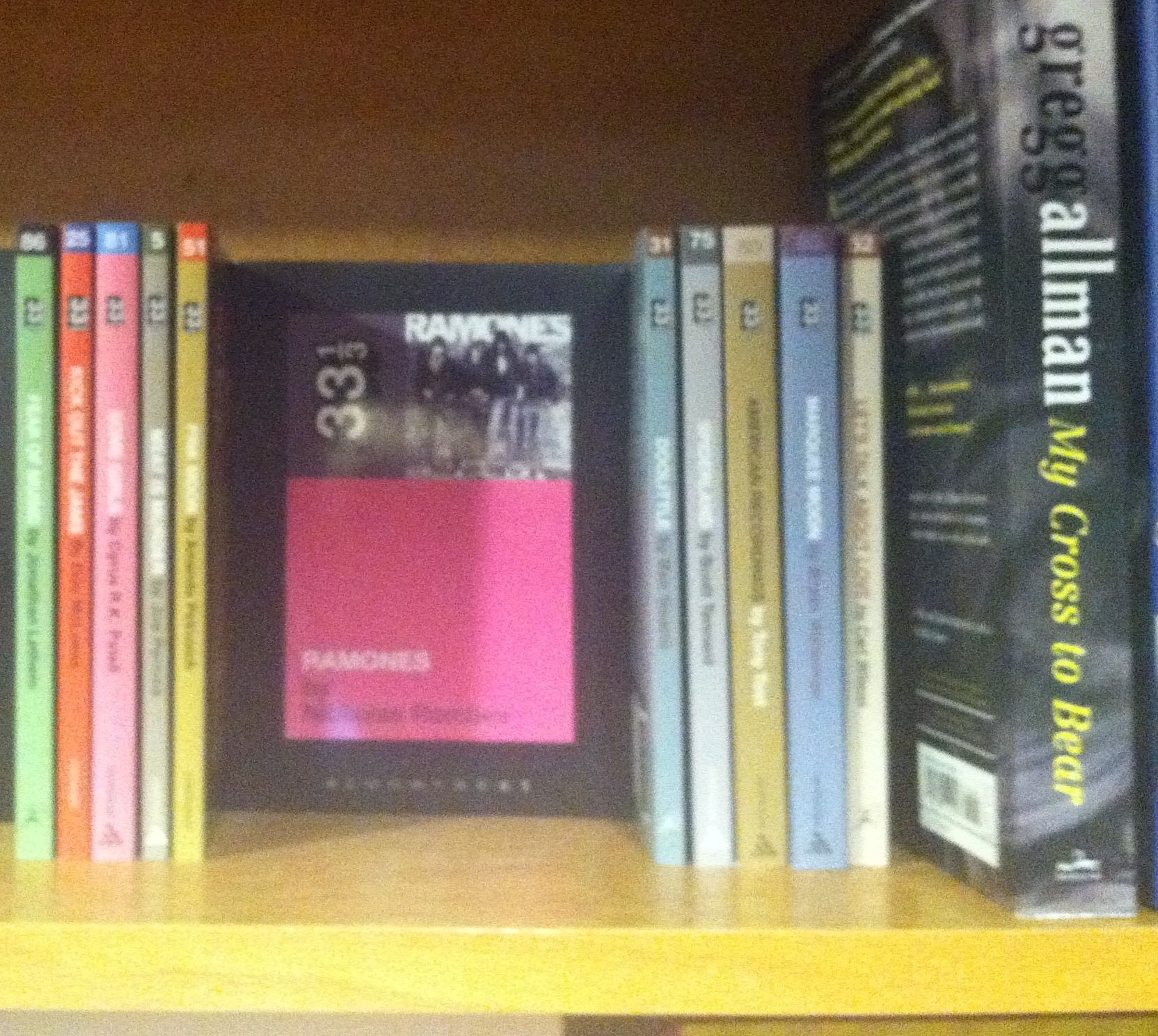
Nice to see a copy of my 33 1/3 volume on Ramones and lots of other 33 1/3’s at the great, new(ish), independent Ann Arbor bookstore Literati. (Thanks, Maddy, for the pic.)
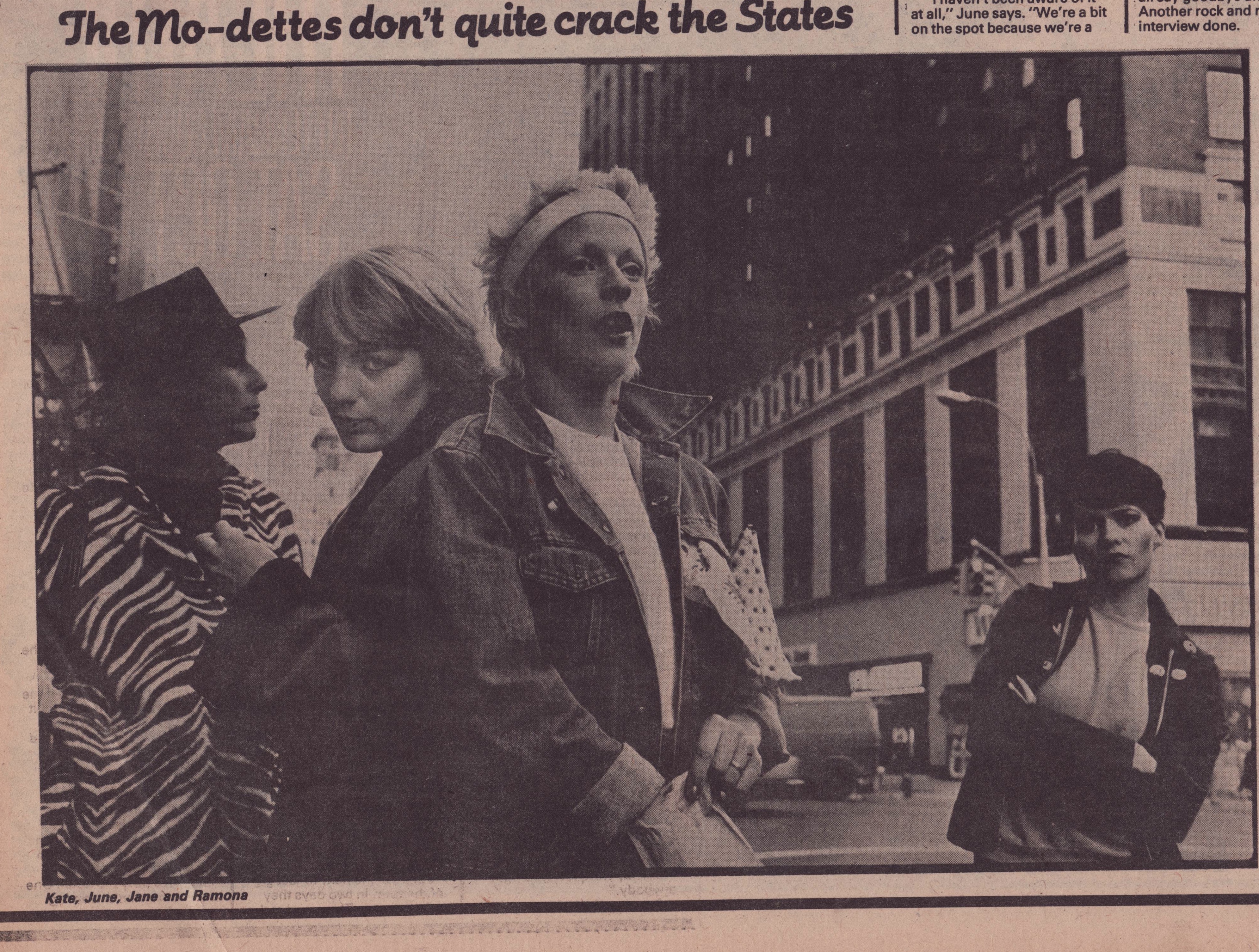
I amassed a pretty big archive of documents as part of the research phase for that book and for A Cultural Dictionary of Punk: 1974-1982. Here are a few snapshots from the many thousands of pages:
A photograph of the Mo-dettes by Joe Stevens in the 18 October 1980 copy of New Musical Express, and this quote from Kate Korris: “America is the land of the tumble-dry and the Sta-pressed.” Leave it to Mo-dettes to transform the Stones’ “Paint it Black” into an alien transmission.
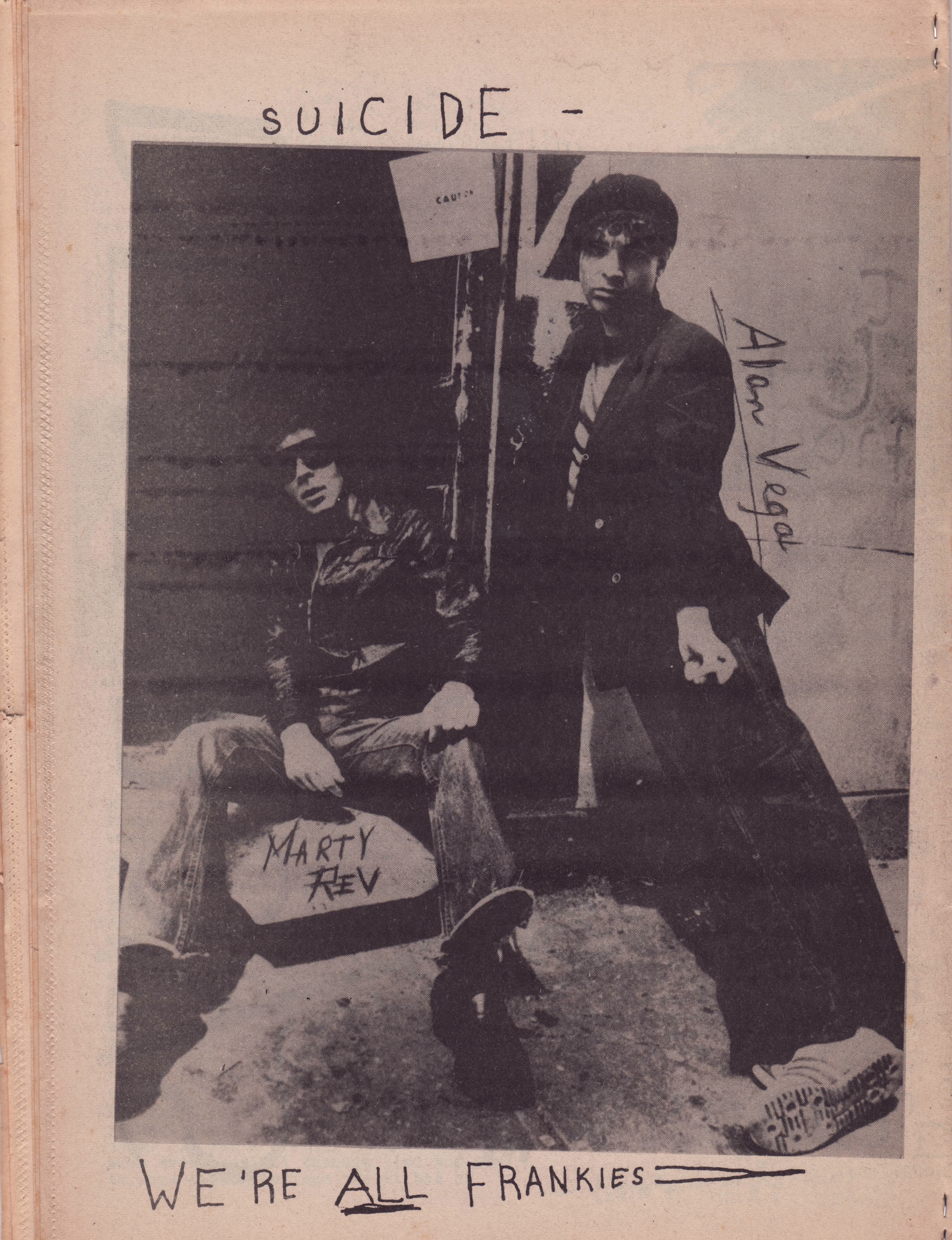
Below: a photo of the band Suicide that adorns the back of the Spring 1978-79 issue of the New York-based magazine FFanzeen. (Here is “Ghost Rider.”–“America America is killing its youth”)
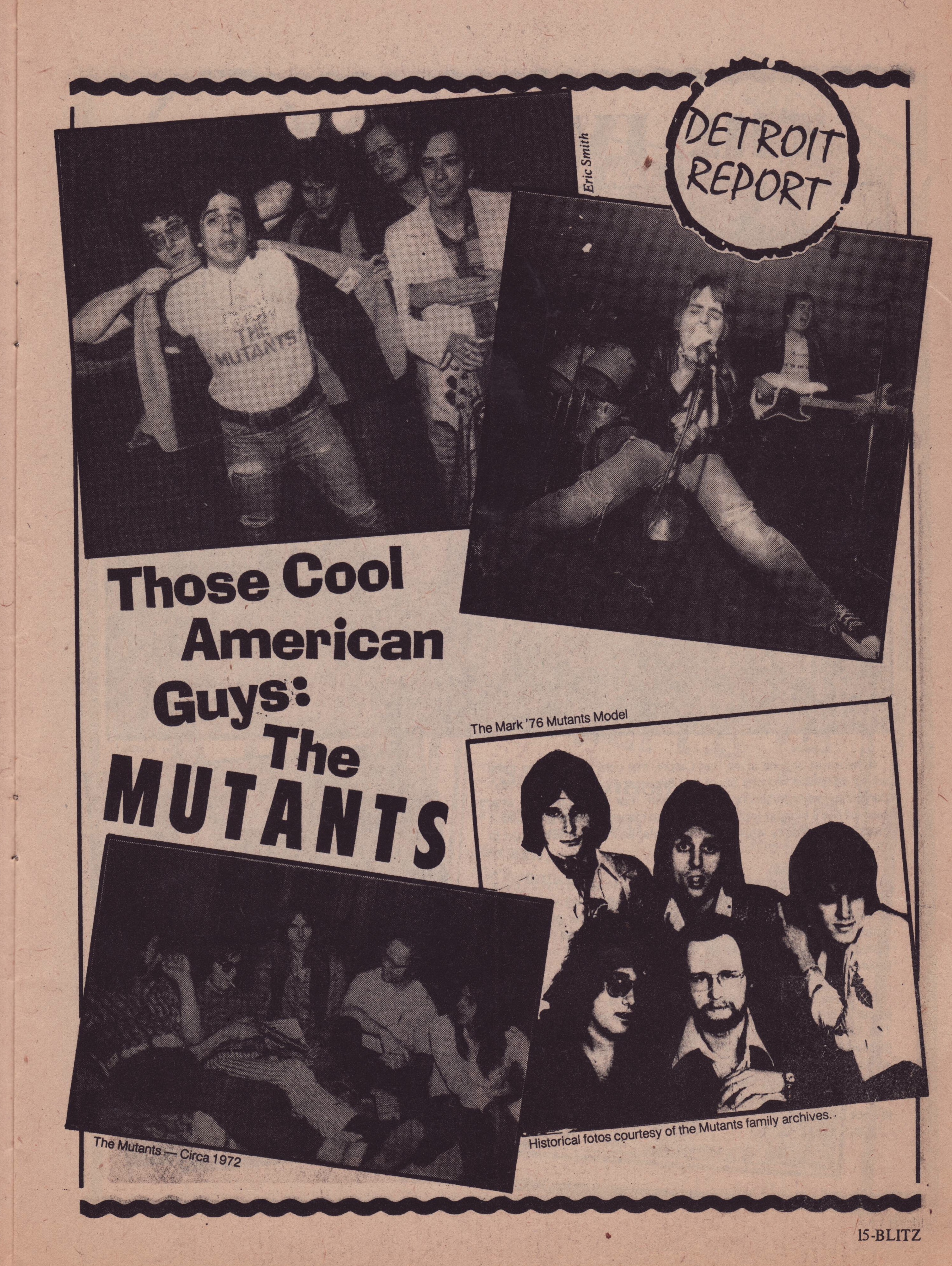
And this layout from the Dearborn Heights, Michigan magazine Ballroom Blitz (1978) of the Detroit band the Mutants. Here’s their 1978 song “So American” (“the other countries bore me / let’s drink to the U.S.A”)–a Midwestern mash-up of Ramones and The Dictators, especially The Dictators, and especially especially the last :15 seconds or so of the song.
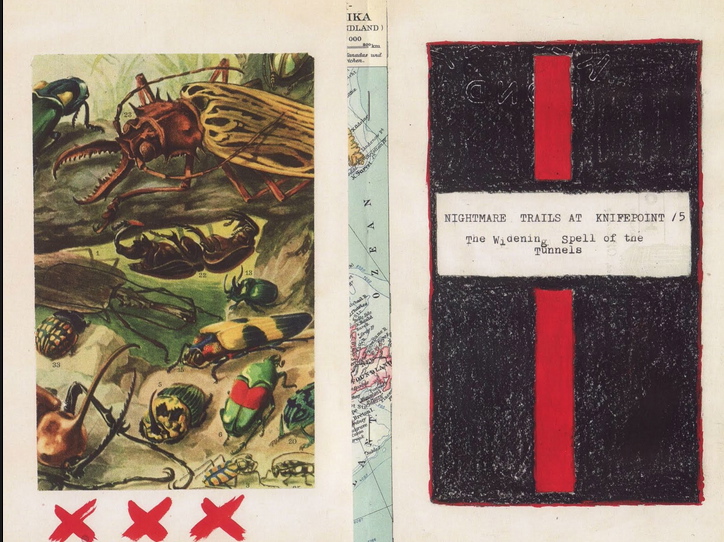
A few updates:
An essay on Shane Carruth’s Upstream Color appears at the Los Angeles Review of Books
I’ve also got a piece on camera narration in the horror anthology V/H/S/2 at Filmmaker Magazine
And in keeping with the deep, rumbling unease of both these films is my story “Destroyer” at 3:AM Magazine

Here it is, at Prezi.
Hollywood has always been meta.
The interior narrative world of the Andy Hardy movies exists in tension with the exterior narrative world of other Hollywood movies, as the gallery of famous love scenes in the trailer for Love Finds Andy Hardy suggests.
In one of the best books of film criticism in the last twenty years, The Avant-Garde Finds Andy Hardy, Robert B. Ray writes: “Between 1937 and 1946, MGM made fifteen Andy Hardy movies, seven in 1938 and 1939 alone. From our point of view, more than fifty years later, the striking thing about these films is their ordinariness.” And, later, he asks: “What would ‘epic film criticism’ be like?”
The frames on the wall appear at first to hold still images from famous films. But then suddenly–as if activated by Andy’s gaze–they begin to move. Andy becomes, essentially, the movie audience.
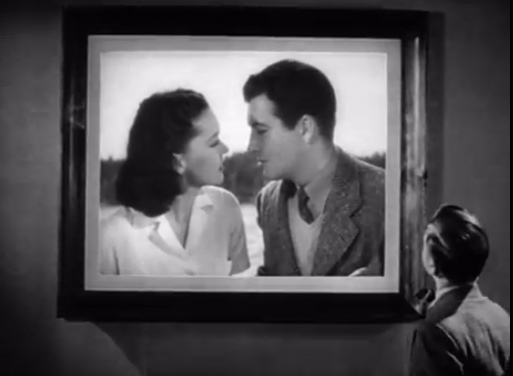
The pre-television era is already haunted by a flat screen future.
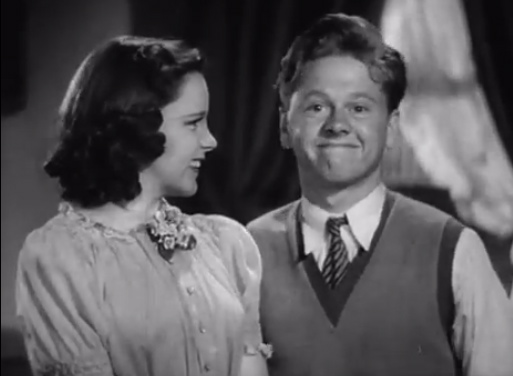
When Andy says, “Maybe love has found Andy Hardy,” he seems to be speaking not as Andy, but as Mickey Rooney.
In the shot immediately following the gallery sequence–a shot that takes us into the world of the film itself–Andy glances directly at the camera in a moment that maintains the meta-ness of the opening sequence.
At around 2:35 the screen caption directly addresses the audience.
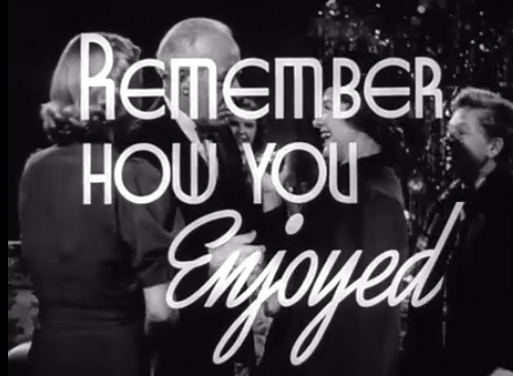
The open, free-ranging self-referential mode not only of the Andy Hardy movies but so many others from the classic Hollywood is only one of the narrative choices that gives lie to the notion that a special feature of postmodern cinema is its heightened self-awareness.
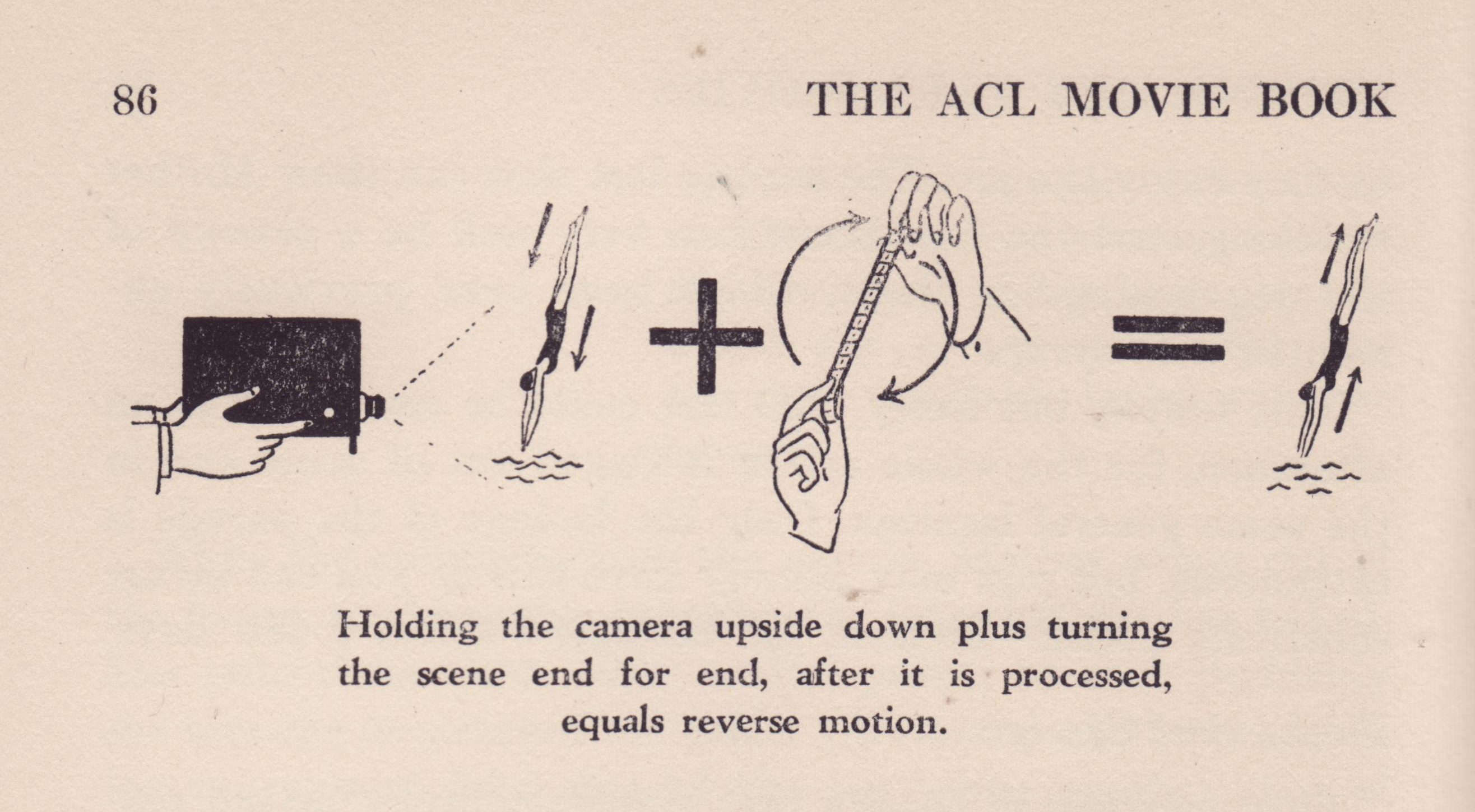
From The ACL Movie Book: A Guide to Making Better Movies, published by The Amateur Cinema League, 1940.
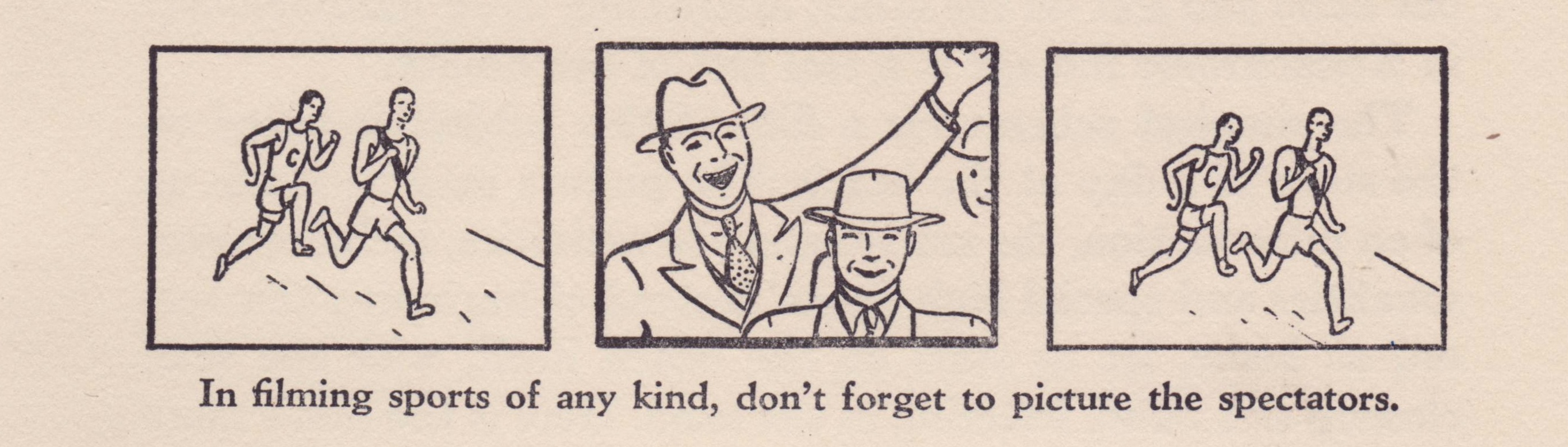
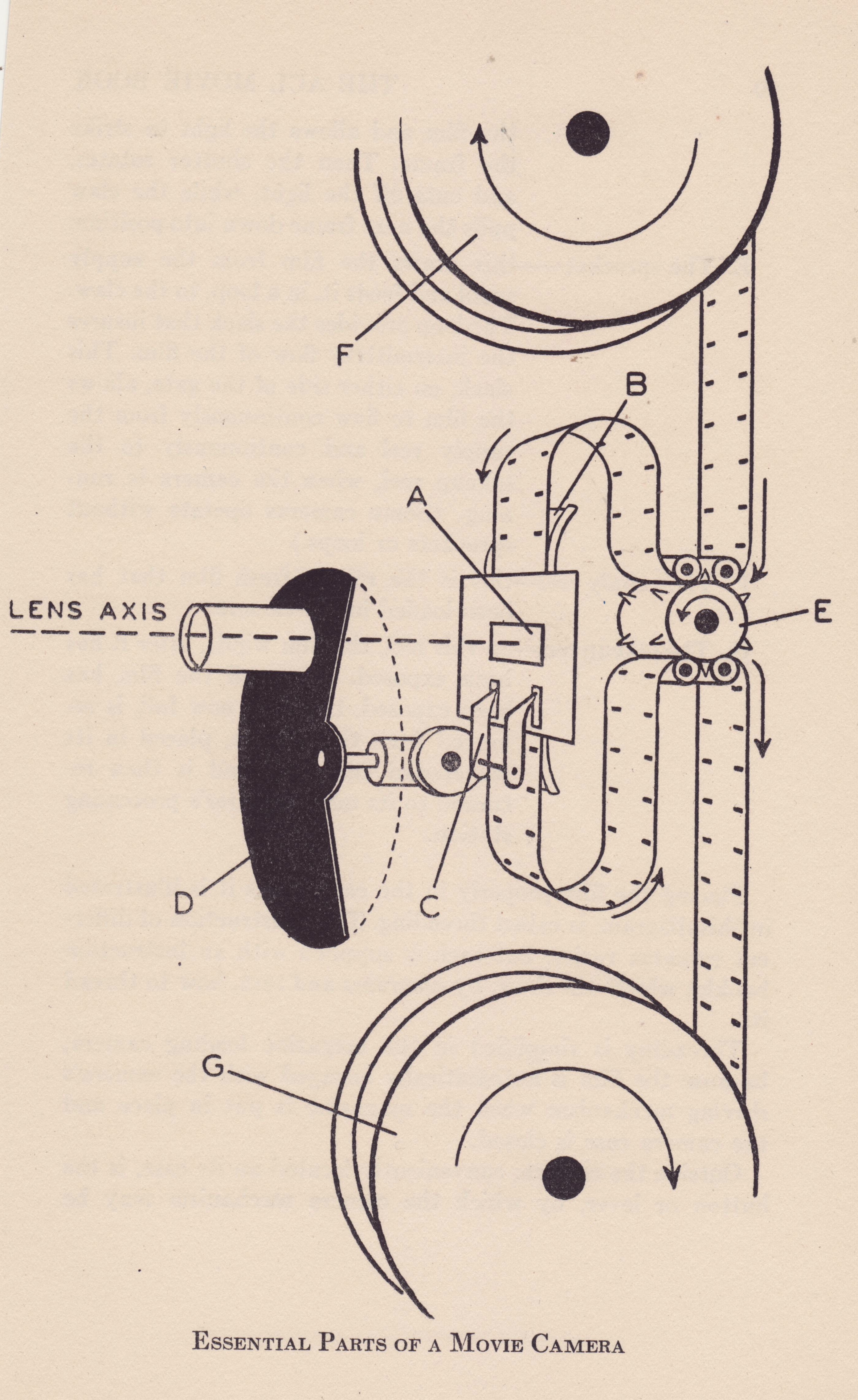
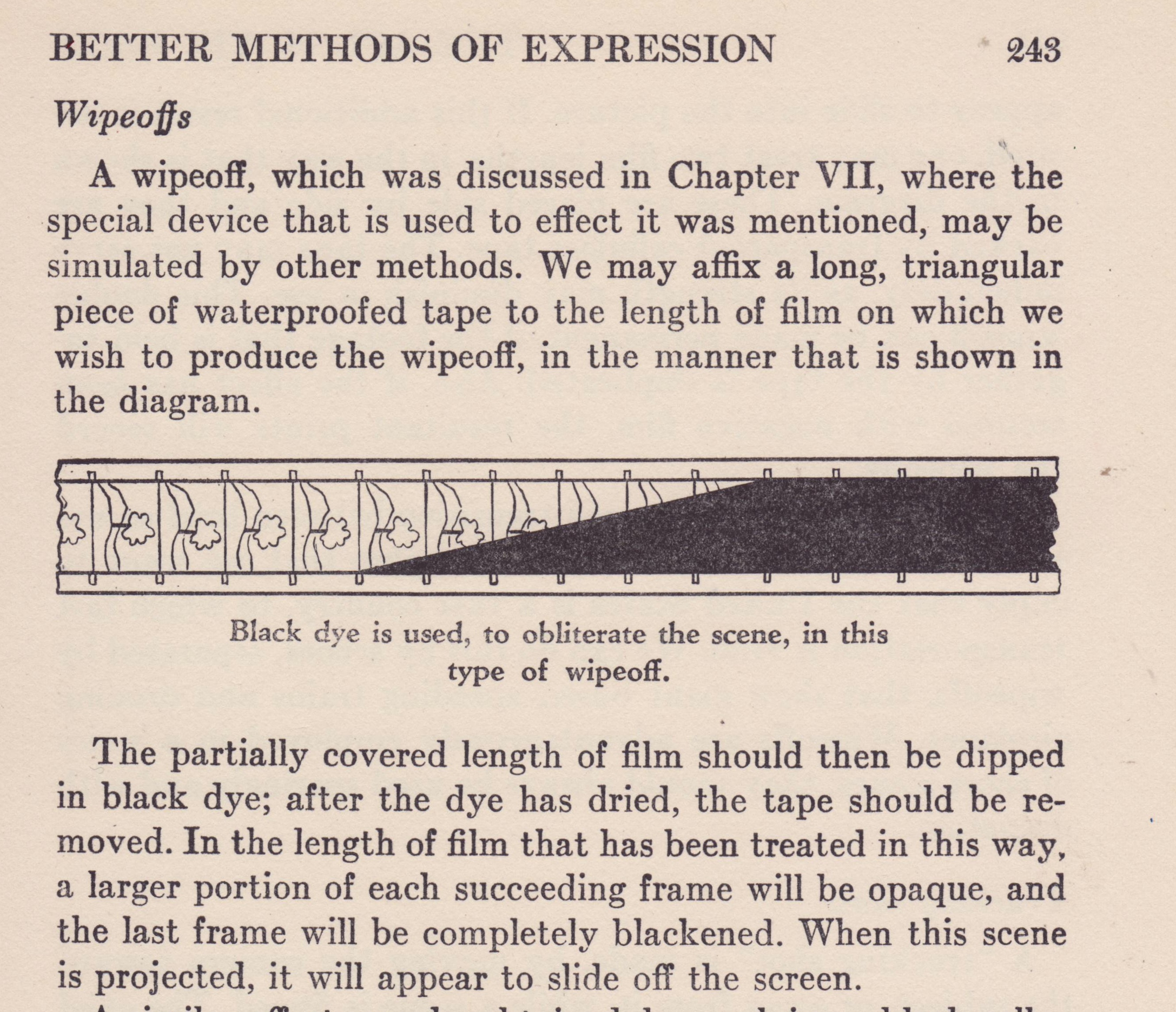
The wipeoff / wipe described above has many of variations in 1930s and 40s cinema. One interesting example: the trailer for Andy Hardy Meets Debutant (1940), and the triangular wipes at around 1:22 and 1:40.
Also, this interesting, comic-book like “punch through” edit at around 2:05 captures the anarchic spirit of the film:
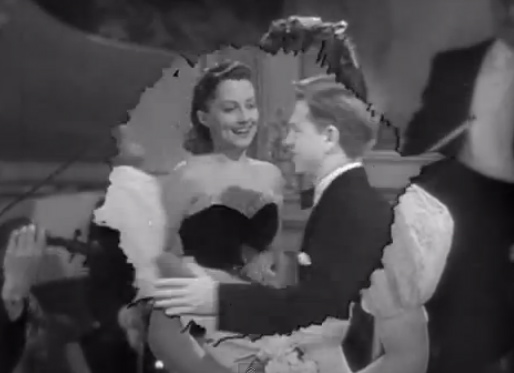
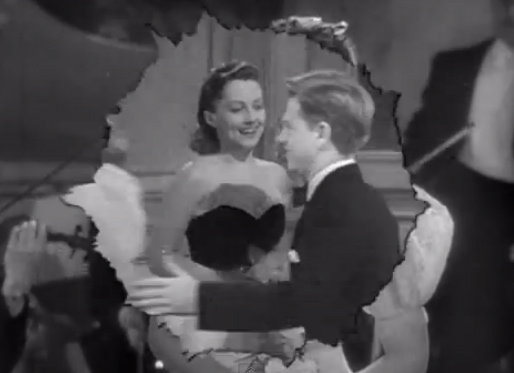
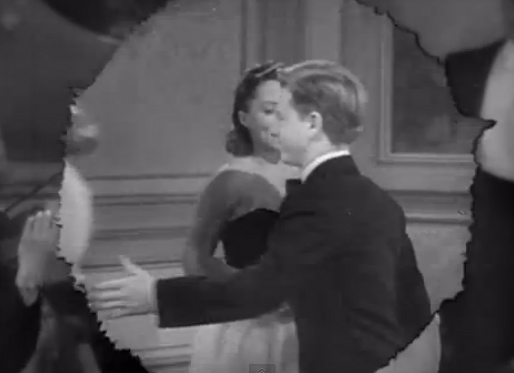
The simultaneity images from different zones of time in the wipe, like the dissolve, is perhaps cinema’s most radical contribution to our imaginative understanding of time.
From Herman Melville’s “The Tartarus of Maids” (1855):

From Karl Marx’s “Estranged Labour” (1844):
Let us now look more closely at the objectification, at the production of the worker; and in it at the estrangement, the loss of the object, of his product.
The worker can create nothing without nature, without the sensuous external world. It is the material on which his labor is realized, in which it is active, from which, and by means of which it produces.
But just as nature provides labor with [the] means of life in the sense that labor cannot live without objects on which to operate, on the other hand, it also provides the means of life in the more restricted sense, i.e., the means for the physical subsistence of the worker himself.
 The Blank Engine